Summer
 Fall
 Winter
Spring
Summer
Fall
Winter
The Cowell-Purisima Coastal Trail is a magnet for sparrows of all sorts: migrants and vagrants in fall and winter, and breeding Grasshopper Sparrow in spring and summer. This is an easy trail to walk, being largely level and well-graded (it is officially an accessible trail). The singular trailhead heads west from the parking lot; this first third-of-a-mile is the sparrow corridor. The fences that separate the trail from active agricultural land and the farm road that parallels the trail to the south, all provide plentiful habitat replete with opportunities to watch sparrows feeding.
When you reach the T-junction at the end of this portion of the trail, you have a choice. Heading left gives some spectacular views of the ocean, beach, and the long, flat rock that often holds gulls, terns,and shorebirds. There is no birding reason to head all the way to the Scenic Overlook; it does not provide good sightlines to the rocky shore below.
If instead you turn right at the T-junction, you have about a mile of coastal terrace prairie and agricultural land along the trail. This area provides great habitat for hawks, falcons, and swallows (spring-summer). In winter, search the fence lines for Loggerhead Shrike, a bird whose presence in the county has been in a steep decline.
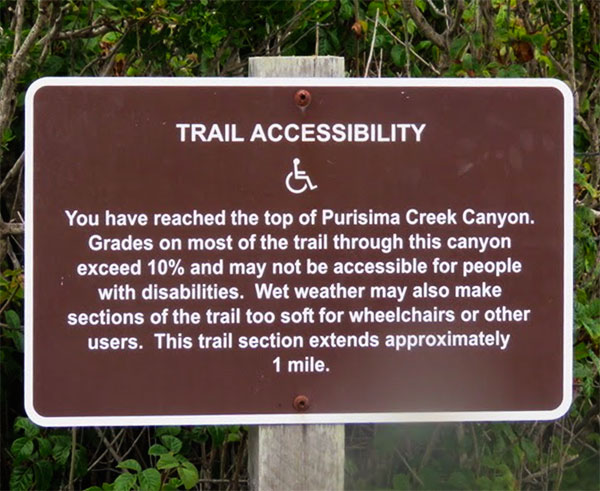
When you see a nest of signs and an open gate you are about to encounter one of the real treats of this site (and of your persistence): the descent into Purisima Creek Canyon. After a fairly uniform bird and plant community, the flora and fauna expand as you work your way into and through this lush riparian. There is a bridge crossing at the base where the creek flows; birds like Swainson's Thrush, Wilson's Warbler, and Allen's Hummingbirds nest in this area in summer. Climbing out of the canyon will bring you to more coastal terrace prairie, but with a different mix of plants because of some farm buildings nearby. This trail creates an extensive but intriguing loop with Cowell Beach Ranch (see separate entry in this guide). When the Cowell-Purisima Trail reaches a junction with the Cowell Beach Trail, you can access the beach for the first time; turning east takes you to the Cowell Ranch State Beach parking lot. Using two cars - one parked at the Cowell-Purisima lot, and another at the Cowell Ranch State Beach, makes for a fun day of multi-habitat exploration.
This park has been open only since the 2010s. But it quickly established its reputation for rarities. Ferruginous Hawk has become almost annual here; passerine rarities have included Sage Thrasher, Harris's Sparrow, Chipping Sparrow, Brewer's Sparrow, White-throated Sparrow, Lapland Longspur, and Bobolink. Tricolored Blackbirds are here in winter amongst the Blackbird flocks; stay alert for Yellow-headed Blackbird. One of the virtues of this park is that the best sparrow habitat is near the parking lot and on the westward trailhead, so it can be checked in a brief stop. But the Cowell-Purisima Trail is worth a greater time investment: the length and vistas make the trail superlative for an all-day immersive nature experience.
There is an inaccessible, large farm stock pond, visible from SR1. Birders should therefore keep in mind that any manner of waterfowl could fly over you along the trail!
Brant (unusual at this location), Canada Goose, Mallard, Surf Scoter, Canvasback, Red-breasted Merganser, Bufflehead, Ruddy Duck, California Quail, Pied-billed Grebe (rare at this location), Horned Grebe, Western Grebe, Clark's Grebe, Rock Pigeon, Band-tailed Pigeon, Eurasian Collared-Dove, Mourning Dove, White-throated Swift, Anna's Hummingbird, Allen's Hummingbird, American Coot, Black Oystercatcher, Black-bellied Plover, Killdeer, Whimbrel, Marbled Godwit, Black Turnstone, Surfbird, Sanderling, Wilson's Snipe, Wandering Tattler, Greater Yellowlegs, Willet, Parasitic Jaeger, Common Murre, Pigeon Guillemot, Marbled Murrelet, Ancient Murrelet (rare here), Rhinoceros Auklet, Bonaparte's Gull (rare here), Heermann's Gull, Western Gull, California Gull, Herring Gull, Iceland Gull, Glaucous-winged Gull, Caspian Tern, Forster's Tern, Elegant Tern, Red-throated Loon, Pacific Loon, Common Loon, Pink-footed Shearwater, Sooty Shearwater, Black-vented Shearwater, Brandt's Cormorant, Double-crested Cormorant, Pelagic Cormorant, Brown Pelican, Great Blue Heron, Great Egret, Snowy Egret, Turkey Vulture, Osprey (unusual at this location), White-tailed Kite, Northern Harrier, Golden Eagle (unusual at this location), Sharp-shinned Hawk (uncommon here), Cooper's Hawk, Red-tailed Hawk, Red-shouldered Hawk, Barn Owl, Great Horned Owl, Belted Kingfisher, Downy Woodpecker (uncommon here due to lack of habitat), Hairy Woodpecker, (uncommon here due to lack of habitat), Northern Flicker, American Kestrel, Merlin, Peregrine Falcon, Olive-sided Flycatcher (migration), Pacific-slope Flycatcher (migration), Black Phoebe, Say's Phoebe, Hutton's Vireo, Steller's Jay (fly-over), California Scrub-Jay, American Crow, Common Raven, Chestnut-backed Chickadee, Tree Swallow, Violet-green Swallow, Barn Swallow, Cliff Swallow, Bushtit, Wrentit, Ruby-crowned Kinglet, Pygmy Nuthatch (uncommon here due to lack of habitat), House Wren, Marsh Wren, Bewick's Wren, European Starling, Northern Mockingbird (unusual here), Western Bluebird, Swainson's Thrush, Hermit Thrush, American Robin, House Sparrow, American Pipit, House Finch, Purple Finch, Pine Siskin, Lesser Goldfinch, American Goldfinch, Grasshopper Sparrow, Fox Sparrow, Dark-eyed Junco, White-crowned Sparrow, Golden-crowned Sparrow, Savannah Sparrow, Grasshopper Sparrow, Song Sparrow, Lincoln's Sparrow, Spotted Towhee, California Towhee, Western Meadowlark, Red-winged Blackbird, Tricolored Blackbird, Brewer's Blackbird, Brown-headed Cowbird, Orange-crowned Warbler, MacGillivray's Warbler, Common Yellowthroat, Yellow Warbler, Yellow-rumped Warbler, Townsend's Warbler, Wilson's Warbler, Black-headed Grosbeak (unusual here)
In this guide, "rarities" are defined as those species given an County Abundance Code of 4, 5, or 6.
Cackling Goose (2017, 2018, 2019), Snow Goose (2014, 2017, 2019, 2021, 2022), Ross's Goose (2017, 2018), Greater White-fronted Goose (2015, 2018), Tundra Swan (2021), Pacific Golden-Plover (2013), Ferruginous Hawk (2011, 2013, 2014, 2015, 2016, 2017, 2019, 2020), Rough-legged Hawk (2019), Bald Eagle (2019), Loggerhead Shrike (2013, 2016, 2017), Eastern Kingbird (2013, 2019), Sage Thrasher (2020), Lawrence's Goldfinch (2013), Harris's Sparrow (2017, 2018), Chipping Sparrow (2018), Brewer's Sparrow (2011), White-throated Sparrow (2017, 2018), Lapland Longspur (2013, 2017), Bobolink (2013, 2015), Yellow-headed Blackbird (2015), Palm Warbler (2011, 2014, 2017)
The trailhead and parking lot are located on State Route 1, south of Half Moon Bay. Not only is the property across the street from Bob's Produce Stand, but the restroom really stands out from a distance on the otherwise open agricultural habitat!
Red Markers: Parking Area or Trail Head
Hover mouse pointer over marker, or click marker, for pin identification.
Use + or - buttons to change map zoom. Click & Drag to pan.
The trail is free to use.
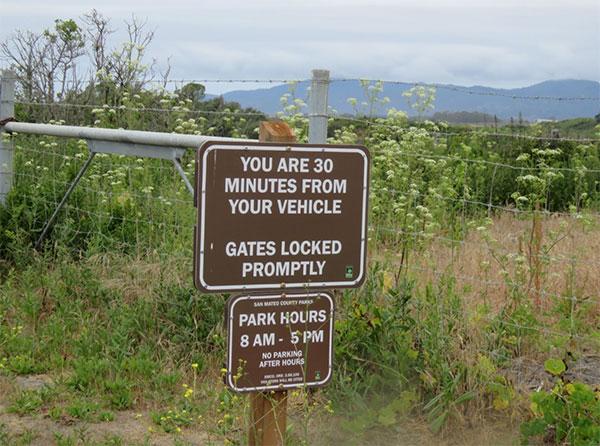
The parking lot is open seven days a week, from 8:00 am to 5:00 pm. These limited hours are 100% serious. The county parks are quite strict! Your car could be locked in if you miss the closing bell! There are even warning signs on the trail about it! Keep track of time. This same restriction applies to Cowell Ranch State Beach.
Unstable cliffs, ticks, rattlesnakes, mountain lions (very unlikely, but they've been spotted in similar habitat at Año Nuevo and Johnston House), poison oak, theft from parked cars, potential wash out of bridges due to weather. But really, this is a safe location, especially if you stay on the trails!
There is a newly constructed bathroom at the parking lot. You can fortify yourself with produce from the stand across the street from the parking area, when the stand is open (currently the parking lot is open seven days a week, under the auspices of San Mateo County Parks).
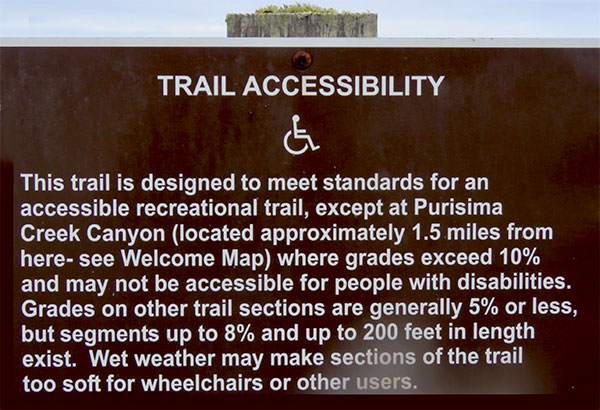
Cowell-Purisima Coastal Trail is represented on the Birdability website. This site, sponsored by the National Audubon Society, seeks to crowd-source information on accessibility and birding. Consider submitting a review of your favorite park, and/or revising the review that exists to better reflect your experience. Thanks for helping to ensure that birding really is for everyone.
This trail includes explicit information on its accessibility; see the pictures below.
San Mateo County Parks phone number for this site is 650-355-8289
The eBird hotspot for this location is named "Cowell-Purisima Coastal Trail." There have been 154 species detected, covering forty of forty-eight time quadrants.
Cowell-Purisima Coastal Trail is lumped with Cowell Ranch State Beach in the iNaturalist place marker under the name "Cowell Ranch State Beach."
A BioBlitz was held here in June 2022 in conjunction with County Parks and Snapshot CalCoast.
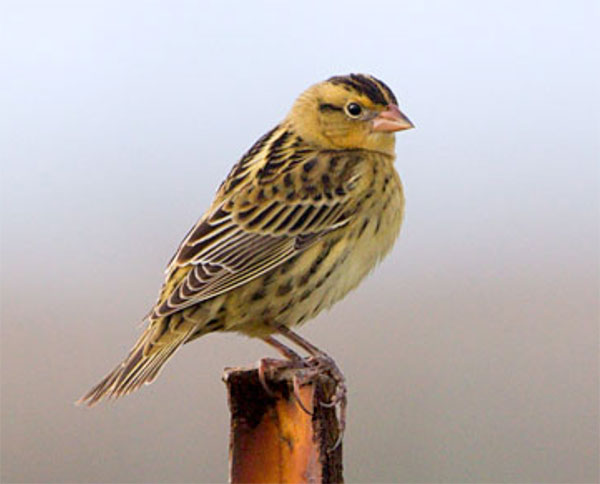
Bobolink, September 2013 (Peter LaTourrette)
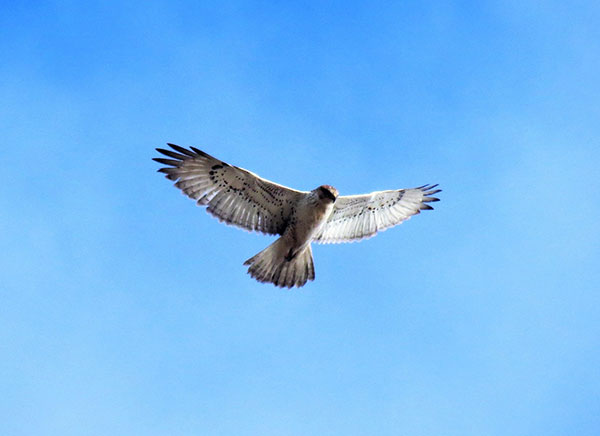
Ferruginous Hawk, February 2017 (Chris Hayward)
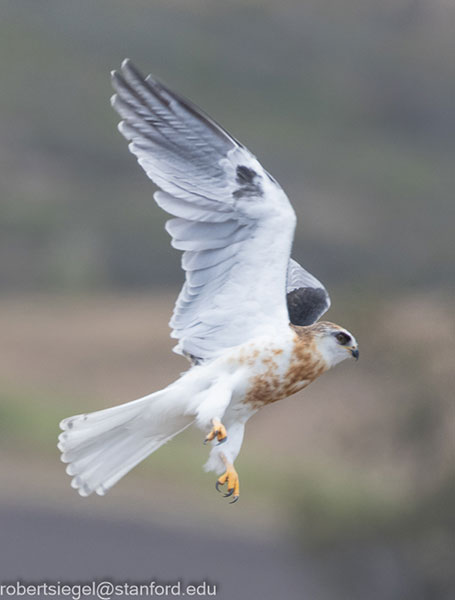
White-tailed Kite; the orange wash on the upper breast marks this as an immature bird, June 2021 (Robert Siegel)
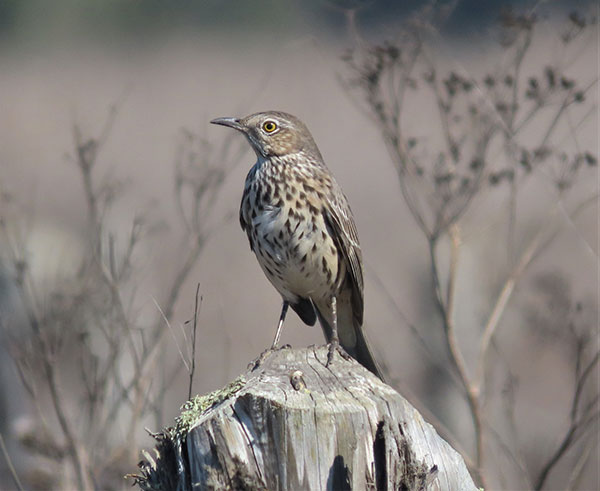
Sage Thrasher, October 2020, (Chris Hayward)
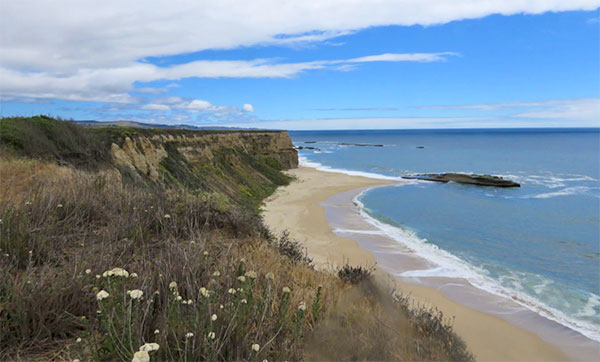
The vistas and beaches visible along the Cowell-Purisima Coastal Trail are little-known and rarely-seen. June 2021 (Jennifer Rycenga)
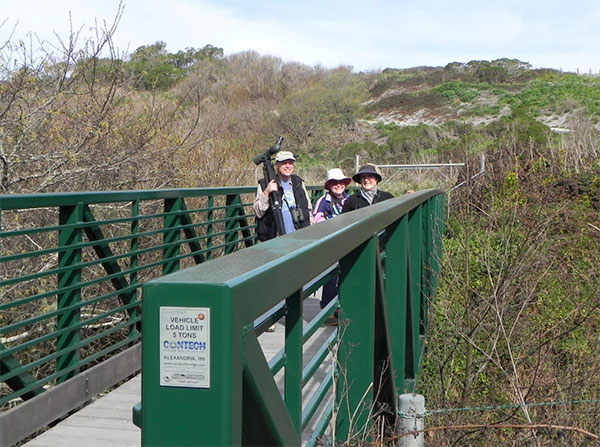
Local birders enjoying the bridges in the Purisima Creek Canyon. February 2013 (Jennifer Rycenga)
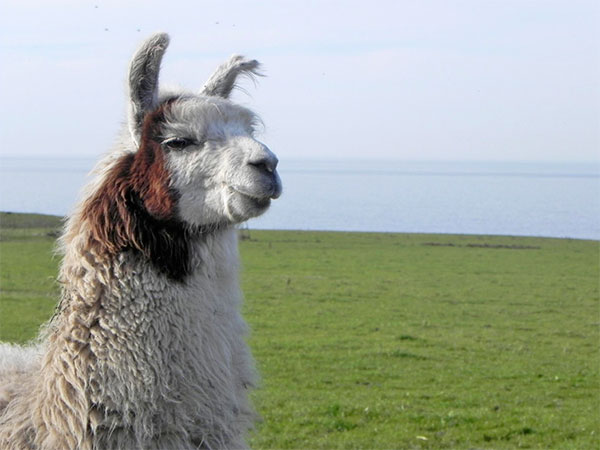
Yup, this trail is close to agriculture! February 2013 (Jennifer Rycenga)
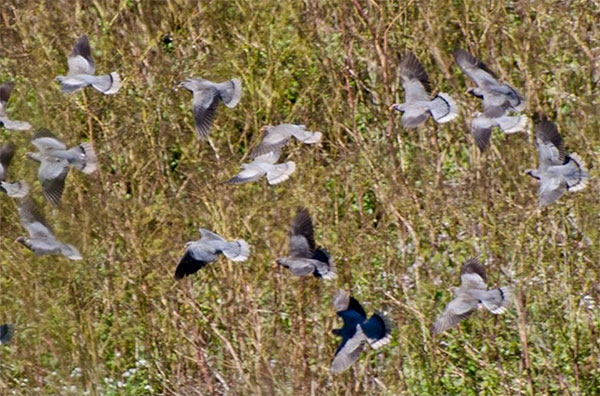
Large flocks of Band-tailed Pigeons occasionally descend onto the Coastal Terrace Prairie. August 2011 (Stuart Nafey)
Author: Jennifer Rycenga
Uploaded:
June 26, 2021
Last Update:
December 25, 2022 7:35pm
All content ©Sequoia Audubon Society and others
No use without written permission